 upfix.com
 888-979-9343
One Failed Electronic Part Should Not Retire a Good Machine

A vehicle can be mechanically sound and still sit unusable because one control module stopped communicating.
An oven can have a good cabinet, heating system, and wiring but fail because one electronic control board no longer operates correctly.
A treadmill can be structurally solid while a damaged controller keeps it out of service.
An industrial machine can represent years of remaining useful life, yet production stops because one drive or controller is obsolete.
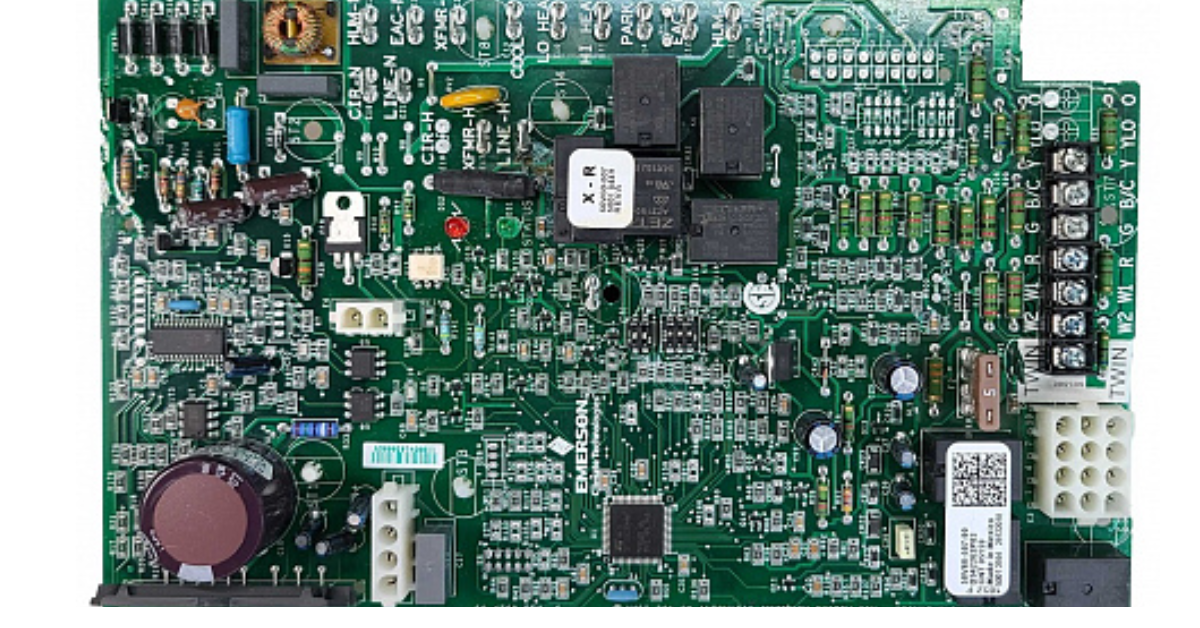
In each situation, the largest object is not necessarily the real problem. A much smaller electronic assembly may be standing between failure and continued use.
That is why “replace the whole thing” should not be the first automatic conclusion.
The replacement reflex is expensive
Replacement can feel simple because it appears decisive. A part failed, so install another part. A machine failed, so buy another machine.
But the replacement path can introduce new questions:
- Is the new part actually available?
- Is it compatible with the exact model, configuration, or firmware?
- Does it require programming, cloning, calibration, or dealer setup?
- Is the used replacement carrying the same age-related weakness?
- What additional labor, shipping, downtime, or installation cost comes with it?
- Are we discarding a mostly functional system to solve one localized failure?
Sometimes replacement is correct. The point of repair-first thinking is not to reject replacement. It is to make sure repair receives a fair technical and financial evaluation before the larger asset is abandoned.
Repair focuses attention on what actually failed
Component-level electronics repair starts by separating the symptom from the cause.
A customer may report that a screen is blank, a vehicle will not start, an appliance will not complete a cycle, or a motor will not run. Those symptoms help guide the investigation, but they do not automatically identify the failed component.
A responsible process asks:
1. Is the reported problem consistent with a known failure in the unit?
2. Can the condition be reproduced or measured?
3. Is the failure inside the submitted part, elsewhere in the system, or a combination of both?
4. Is the unit physically and economically repairable?
5. What testing is needed to verify the completed work?
That method protects the customer from paying for a repair that does not address the real problem.
Repair preserves more than hardware
Keeping the original electronic part can preserve fit, connectors, configuration, coding, calibration, or communication relationships that may matter to the larger system. The exact benefit varies by product, but the principle is consistent: the unit already belongs to the vehicle or equipment.
Repairing the original can also avoid the uncertainty of a used replacement with an unknown service history. A used module may look clean and still carry the same weak component, environmental exposure, intermittent failure, or programming mismatch.
Original does not automatically mean repairable, and used does not automatically mean bad. The better decision comes from understanding the specific unit and application.
The smartest answer is the one supported by evidence
UpFix's repair-first philosophy includes an important limit: not every part should be repaired.
Severe physical damage, missing components, corrosion, fire damage, previous unsuccessful work, unavailable data, or a failure outside the submitted unit can change the recommendation. Honest repair service includes the ability to explain when the evidence does not support proceeding.
Repair first means “evaluate repair first,” not “promise repair no matter what.”
A better question for every failure
When an important system stops working, ask this before approving a major replacement:
> Is the entire vehicle, appliance, machine, or piece of equipment truly finished—or has one repairable electronic part failed?
That question can protect a household budget, a dealer's margin, a gym's equipment investment, or a manufacturer's uptime.
It can also keep useful hardware in service instead of moving it prematurely into the waste stream.
A failed part deserves a diagnosis. The larger machine deserves a second chance.
Search for the exact part or repair category at UpFix. When the service is not listed, submit a custom repair request with the part number, model, symptoms, and clear photos.